BISP 8171 Digital Payments 2026: New System, Faster Transfers & Easy CNIC Verification
The BISP 8171 Digital Payments 2026 system has introduced a modern and user-friendly way for beneficiaries to receive financial assistance in Pakistan. Under the Benazir Income Support Programme, the government is shifting toward secure digital payment solutions to ensure transparency, quick transfers, and easy access for millions of families.
This updated system focuses on making payments smoother, especially for women registered under the Benazir Kafalat Program.
What is BISP 8171 Digital Payment System?
The BISP 8171 digital payment system is a new method that allows beneficiaries to receive their payments through bank accounts, mobile wallets, and biometric verification instead of traditional cash centers.
With the integration of the National Database and Registration Authority database, the system ensures accurate identity verification using CNIC details.
Key Features:
- Direct bank transfers
- Biometric verification for security
- Reduced fraud and middlemen
- Faster payment processing
- SMS alerts via 8171 portal
How to Check BISP 8171 Payment Status Online
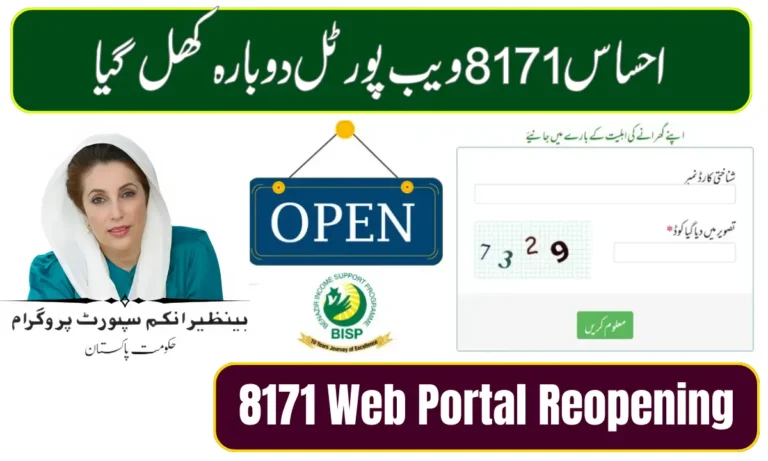
Beneficiaries can easily check their payment status using their CNIC. The government has simplified the process through the official 8171 portal.
Step-by-Step Guide:
- Visit the official 8171 web portal
- Enter your CNIC number
- Complete the captcha verification
- Click on “Check Status”
You can also send your CNIC to 8171 via SMS to receive instant updates about your eligibility and payment status.
New Payment Methods Introduced in 2026
In 2026, BISP has expanded its digital ecosystem by collaborating with leading banks and fintech services.
Available Payment Options:
- Bank accounts (HBL, Bank Alfalah)
- Mobile wallets like JazzCash and Easypaisa
- ATM withdrawals with biometric verification
- Retail agents for assisted payments
These options provide flexibility, especially for users in rural areas who may not have easy access to banks.
BISP 8171 Payment Amount & Schedule 2026
The quarterly installment under the BISP program has been updated to support families amid rising inflation.
| Payment Type | Amount (PKR) | Frequency |
|---|---|---|
| BISP Kafalat Payment | 13,500 | Quarterly |
| Additional Child Support | Varies | Conditional |
Payments are released in phases across districts to avoid overcrowding and ensure smooth distribution.
Eligibility Criteria for BISP 8171
To receive payments under BISP 8171, applicants must meet the government-defined criteria.
Who Can Apply?
- Low-income families
- Women with valid CNIC
- Households registered in NSER survey
- Unemployed or financially vulnerable individuals
The National Socio-Economic Registry plays a key role in identifying eligible beneficiaries.
Benefits of Digital Payments for Users
The shift to digital payments is highly beneficial for users, especially in terms of convenience and security.
Major Advantages:
- No long queues at payment centers
- Secure transactions through biometric verification
- Instant payment notifications
- Easy access through mobile wallets
- Greater financial inclusion
This system also empowers women by giving them direct control over their financial assistance.
Common Issues & Solutions
While the system is efficient, some users may face minor issues.
Common Problems:
- CNIC not recognized
- Biometric verification failure
- Payment delay
Solutions:
- Visit nearest BISP office for verification
- Update CNIC details via NADRA
- Retry biometric verification at another center
Final Words
The BISP 8171 Digital Payments 2026 system is a major step toward a transparent and efficient welfare system in Pakistan. By integrating technology, biometric verification, and mobile wallets, the government ensures financial aid reaches eligible families quickly and securely.
Beneficiaries are advised to regularly check their status via the 8171 portal and keep their CNIC information up to date to avoid delays. This digital transformation not only simplifies the process but also strengthens trust in public welfare programs.